Complete Quality Management System
QProQMS® is a comprehensive software solution designed to help organizations manage administration, accounting, financial, human resources, facility, operational, purchasing, and quality data with powerful analytics. Achieve ISO 9001 compliance and operational excellence in one integrated platform.
- ISO 9001:2015 Compliance Framework
- 8 Integrated Management Modules
- Real-Time Analytics Dashboard

Powerful Features for Total Control
Advanced capabilities that set QProQMS® apart from traditional quality management systems
Real-Time Analytics Dashboard
ISO 9001:2015 Compliance
Seamless Integration
Document Control System
Risk & Opportunity Management
Comprehensive Audit Management
Transform Your Business Operations
QProQMS® is an integrated business and quality management system that connects planning, operations, compliance, and performance in one platform.
Built on ISO 9001:2015, QProQMS® helps organizations improve efficiency while maintaining compliance, from small businesses to large enterprises.
Manage administration, finance, HR, operations, and quality processes seamlessly through a single, user-friendly system.
8 Comprehensive Management Modules
Explore detailed capabilities within each module
Company Information
Complete company profile with registration details, shareholders, directors, secretaries, auditors, tax agents, and charges management.
Legal Information
Track statutory and regulatory requirements, affected laws, compliance status, root causes, and corrective actions.
License Management
Monitor scope of products, target customers, license requirements, minimum capital, and competent employees.
Document Control
Comprehensive document management with version control, author tracking, approval workflows, storage, and retention policies.
Record Information
Format tracking, process mapping, version control, ownership, retention periods, and disposal methods.
Filing System
Organize files with volume tracking, department assignment, storage protection, and automated disposal schedules.
Correspondence Management
Track all correspondence with reference control, sender/receiver information, subjects, and storage locations.
Payment Management
Track all payments with payee accounts, request numbers, approval workflows, purpose tracking, and monthly totals.
Bills Tracking
Monitor bills from suppliers with biller information, cash flow dates, purpose documentation, and amount tracking.
Receipts Management
Record customer receipts with payment received dates, reference numbers, and purpose categorization.
Account Categories
Organize accounts by category with monthly tracking, automated totaling, and financial overview reporting.
Accounting Audit
Annual audit tracking by account category with comprehensive review and compliance documentation.
Sales Tax (SST)
Manage SST submissions, payable amounts, penalty tracking, opening/closing balances, and monthly totals.
Withholding Tax
Track WHT categories, rates, form types, historical data, supplier information, and deduction calculations.
Income Tax
Monitor assessment years, taxation amounts, audit findings, reduction planning, and balance tracking.
Capital Investment
Track investment types, funding methods, action plans, desired effects, and impact on organization.
Equity Changes
Monitor company capital structure, share types, shareholder information, and equity distribution.
Dividend Management
Track dividend declarations, shareholder distributions, share percentages, and payment records.
Budget Planning
Create and manage budgets with descriptions, notes, monthly tracking, and automated totals.
Cash Flow Analysis
Monitor cash inflows and outflows by main and sub-items with monthly breakdowns and totals.
Term Loan Management
Track financing institutions, property details, loan amounts, interest rates, payments, and balances.
Debtors Aging
Monitor customer accounts, invoices, payments, credit notes, and aging summary by period.
Creditors Aging
Track supplier accounts, purchases, payments, debit notes, and aging analysis.
Capital Allowance
Calculate asset depreciation, purchased amounts, cash values, annual rates, and balance tracking.
Organization Structure
Define main and sub-departments, roles, positions, employment types, and reporting hierarchies.
Roles & Responsibilities
Document role changes, responsibilities (planning, organizing, leading, controlling), and authorization levels.
Communication Matrix
Define communication channels, allowed methods, and subjects transmitted between roles and departments.
Recruitment Process
Track position requirements, quantities needed, existing manpower, vacancies, and interview counts.
Selection & Evaluation
Manage minimum requirements, interview assessments, evaluation criteria, and hiring decisions.
Competency Management
Assess employee competency through job scope evaluations, training results, and awareness programs.
Training Programs
Schedule courses, track attendance, evaluate post-training effectiveness, and monitor monthly counts.
Awareness Programs
Plan awareness sessions on policies, QMS implications, organizational issues, and party requirements.
Knowledge Management
Document organizational knowledge, owners, certification, sources, and availability locations.
Performance Appraisal
Conduct evaluations with PDCA ratings, NCR tracking, performance rates, and status monitoring.
Payroll Processing
Process monthly payroll with cut-off dates, EPF, SOCSO, PCB, ZAKAT, HRDF levy tracking, and error monitoring.
Leave Management
Track leave balances, allocations, monthly usage, and remaining balances for all employees.
Claims Processing
Manage claim submissions, verification, approval, payment dates, and error tracking after closure.
Personnel Files
Maintain employee records including appointment letters, certificates, training records, and correspondence.
Infrastructure Management
Track asset categories, items, IDs, purchase dates, purposes, users, locations, and maintenance requirements.
Maintenance Scheduling
Plan maintenance cycles, propose schedules, track acceptance, and monitor monthly maintenance activities.
Breakdown Management
Record affected assets, breakdown dates, complaints, root causes, corrections, and corrective actions.
Asset Disposal
Document disposal reasons, dates, recipients, gain/loss calculations, risks, and approval tracking.
Space Management
Monitor building layouts, total areas, component allocation, department occupation, and risky activities.
Environmental Control
Identify environmental risks, acceptance conditions, inspection requirements, and monitoring cycles.
Safety Management
Track safety risks, acceptance criteria, required inspections, and monthly inspection schedules.
Security System
Manage employee access cards, equipment security keys, door/window controls, and incident tracking.
Product Management
Define QMS scope, product status, requirements, acceptance criteria, and service offerings.
Efforts Tracking
Monitor business development efforts, quotations, tenders, proposals, and success rates with failure analysis.
Customer Management
Maintain customer database with contact information, scope, country, status, and complaint registers.
Sales Contracts
Track awarded projects, reference numbers, contract values, signed dates, kick-off dates, and durations.
Project Management
Monitor project managers, team members, start/finish dates, planned vs actual progress, and project status.
Design Management
Track design efforts, labels, durations, start/finish dates, design indices, and number of designs.
QAQC Management
Define QA/QC requirements, acceptance criteria, planned vs actual dates, results, and action tracking.
Delivery Management
Manage delivery orders, dates, recipients, delivered items, delivery person, acceptance, and complaints.
Support Services
Track support requests, descriptions, responses, actions taken, status updates, and request closure dates.
Vendor Registration
Register external parties with evaluation criteria, infrastructure assessment, manpower, and reevaluation terms.
Purchasing Policy
Define products/services, external party requirements, risk controls, minimum quotations, and approvers.
Purchase Orders
Create POs with vendor details, debit accounts, purchase types, delivery durations, items, quantities, and rates.
Delivery Orders
Track DO numbers, delivery dates, descriptions, amounts, and link to purchase orders.
Supplier Claims
Monitor claim numbers, claimed dates, descriptions, amounts, and monthly totals for each supplier.
Payment Orders
Process payment requests, track payment durations, actual payment dates, status, and paid amounts.
Vendor Performance
Evaluate vendor performance based on purchases, deliveries, NCRs, pricing, and quality workmanship.
Vendor Rejection
Document vendor rejections, reasons, dates, and track non-conformities with corrective actions.
Management Groups
Define management groups, associated departments, and weightages for performance evaluation.
Management Controls
Establish control titles, associated groups, and sub-weightages for systematic management.
Management Processes
Document process titles, associated controls, weightages, and process relationships.
Organizational Issues
Identify internal/external issues, impacts, implications, affected parties, severity, probability, and grade.
Interested Parties
Define interested parties, their requirements, needs, expectations, and data sources.
QMS Scope
Document QMS scope, products, issues, party requirements, applicability, and justifications for exclusions.
Clauses Compliance
Track compliance with ISO clauses, organizational evidence, documented information, and gap analysis.
Quality Policy
Define and communicate quality policy, management commitment, and alignment with organizational direction.
Risk Management
Identify risks, assess consequences, probability, classification, and track actions with effectiveness evaluation.
Opportunity Management
Capture opportunities, assess impacts, track actions, measure effectiveness, and document results.
Quality Objectives
Set objectives, define action programs, allocate resources, assign responsibilities, and evaluate results.
Change Control
Manage changes to processes, policies, objectives with impact analysis, approval workflows, and version control.
Audit Management
Plan audit programs, conduct internal/external audits, document findings, and track corrective actions.
Performance Analysis
Analyze process performance, customer satisfaction, conformity, risks, opportunities, and external provider performance.
Management Review
Conduct periodic reviews of QMS effectiveness, agenda items, actions taken, and strategic decisions.
Corrections & CAR
Document non-conformities, root causes, corrections, corrective actions, and effectiveness verification.
Continuous Improvement
Identify improvement opportunities, plan actions, implement changes, measure effectiveness, and standardize improvements.
Built for ISO 9001:2015 Compliance
QProQMS® is structured around the complete ISO 9001:2015 standard, ensuring your organization maintains certification while improving operational efficiency. Every module aligns with specific ISO clauses, making compliance natural and achievable.
Benefits That Drive Success
Transform your organization with measurable improvements
Real-Time Visibility
Make informed decisions with instant access to KPIs, performance metrics, and comprehensive analytics across all operations.
Enhanced Compliance
Maintain consistent compliance with legal, regulatory, and customer requirements through automated tracking and alerts.
Empowered Teams
Give your staff the tools they need to excel with clear responsibilities, accessible knowledge, and streamlined workflows.
Explore other QProNet systems.

Money Tracking System
Real-time business cash flow

Money Lending System
Loans from application to repayment

Legal Practice System
Cases, clients & accounts for law firms
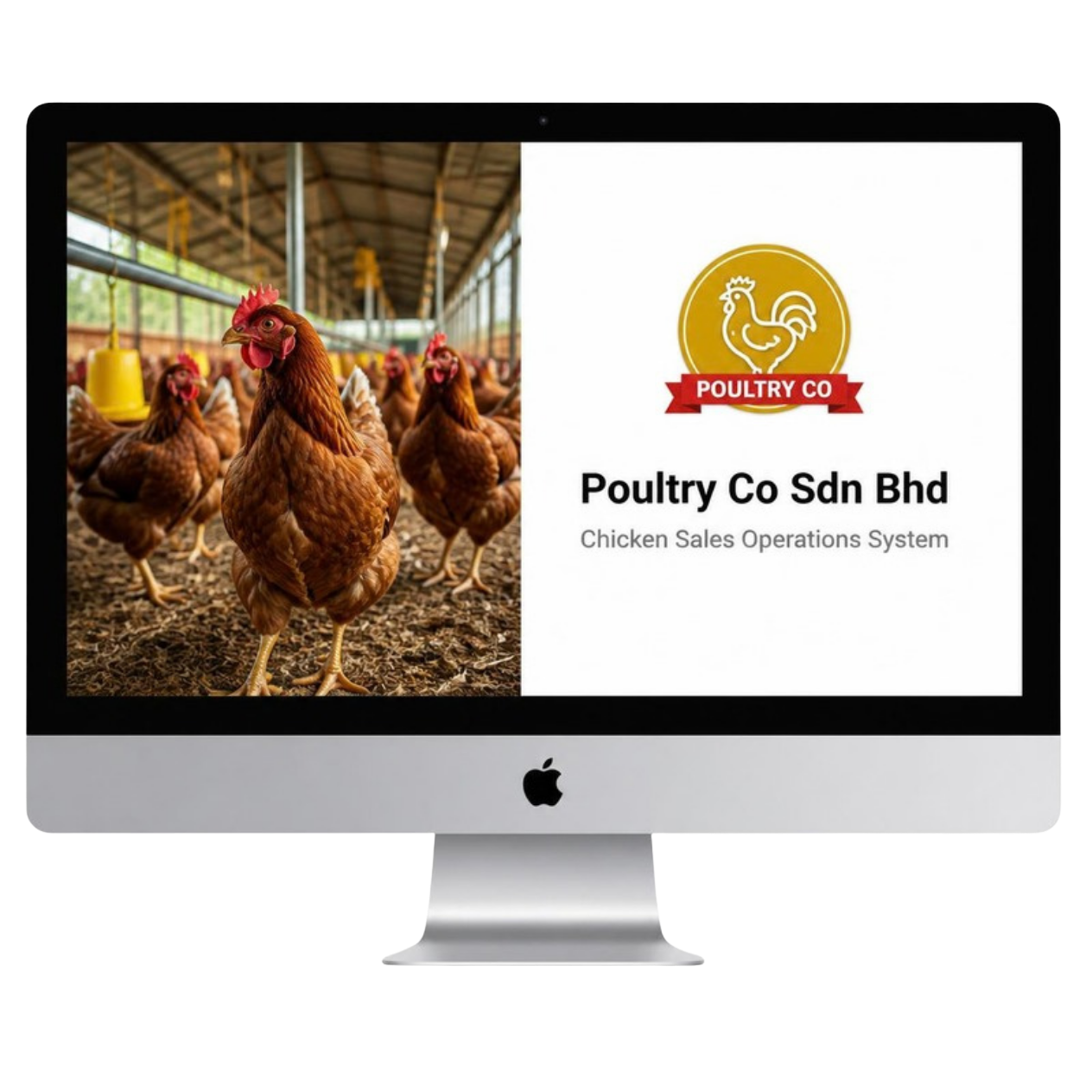
Sales Monitoring System
Weighing & billing for poultry sales
Task Measurement System
Hourly performance tracking
Task Calendar System
Deadlines with WhatsApp reminders
Let’s talk about your project.
Tingkat 2, PT 2575, Lebuhraya Machang – Tanah Merah, Kampung Wakaf Bata, 18500 Machang, Kelantan Darul Naim.
Get directions →Sunday – Thursday
9:00 AM – 6:00 PM